



Experiential Marketing

Experiential marketing has become one of the most powerful strategies brands use to create meaningful connections with audiences. Rather than relying solely on passive advertising, experiential campaigns place consumers directly inside a brand story, transforming events into interactive environments where guests participate, engage, and create shareable moments. As modern audiences expect more immersive and personalized interactions, experiential marketing has evolved into a critical pillar of event strategy for companies, conferences, and global brands. From interactive installations and branded activations to AI-powered photo experiences and immersive environments, experiential marketing allows organizations to turn live events into dynamic storytelling platforms that drive engagement, brand recall, and social amplification.
Understanding Experiential Marketing
Experiential marketing refers to the practice of designing interactive brand experiences that allow audiences to actively engage with a company, product, or message. Instead of communicating through traditional advertising channels alone, experiential campaigns invite people to participate in an environment where the brand becomes part of the experience itself.
In modern marketing ecosystems, experiential strategies often integrate physical environments, digital technology, and real-time content creation to deliver memorable moments that extend beyond the event. Guests become participants rather than observers, interacting with branded environments, creating personalized content, and sharing their experiences across social media platforms.
As attention spans shorten and audiences become increasingly resistant to conventional advertising, experiential marketing offers a powerful alternative. By creating environments where people can physically interact with a brand, companies generate authentic engagement and emotional connection, which significantly increases brand recall and customer loyalty.
Experiential marketing is now widely used across industries including technology, fashion, entertainment, hospitality, and consumer products. Corporate conferences, product launches, trade shows, and brand activations have all become platforms for immersive engagement strategies that transform traditional events into interactive brand ecosystems.

Why Experiential Marketing Drives Deeper Engagement
Modern audiences crave experiences rather than passive consumption. Experiential marketing capitalizes on this shift by creating environments where attendees can actively participate in brand storytelling.
When guests interact with installations, technology, or immersive environments, the brand becomes part of a memorable moment rather than a background advertisement. This type of interaction activates multiple senses, which significantly increases emotional impact and cognitive retention.
Interactive experiences also generate organic content creation. Attendees naturally photograph, record, and share visually compelling moments from experiential environments, extending the reach of an event far beyond the physical venue.
For brands, this means experiential marketing not only engages attendees in real time but also produces digital content that continues circulating online long after the event ends.
Experiential campaigns also encourage social participation. When guests gather around interactive installations or creative environments, the shared experience encourages conversation, networking, and collective engagement. This dynamic creates energy within the event environment and strengthens community interaction among attendees.
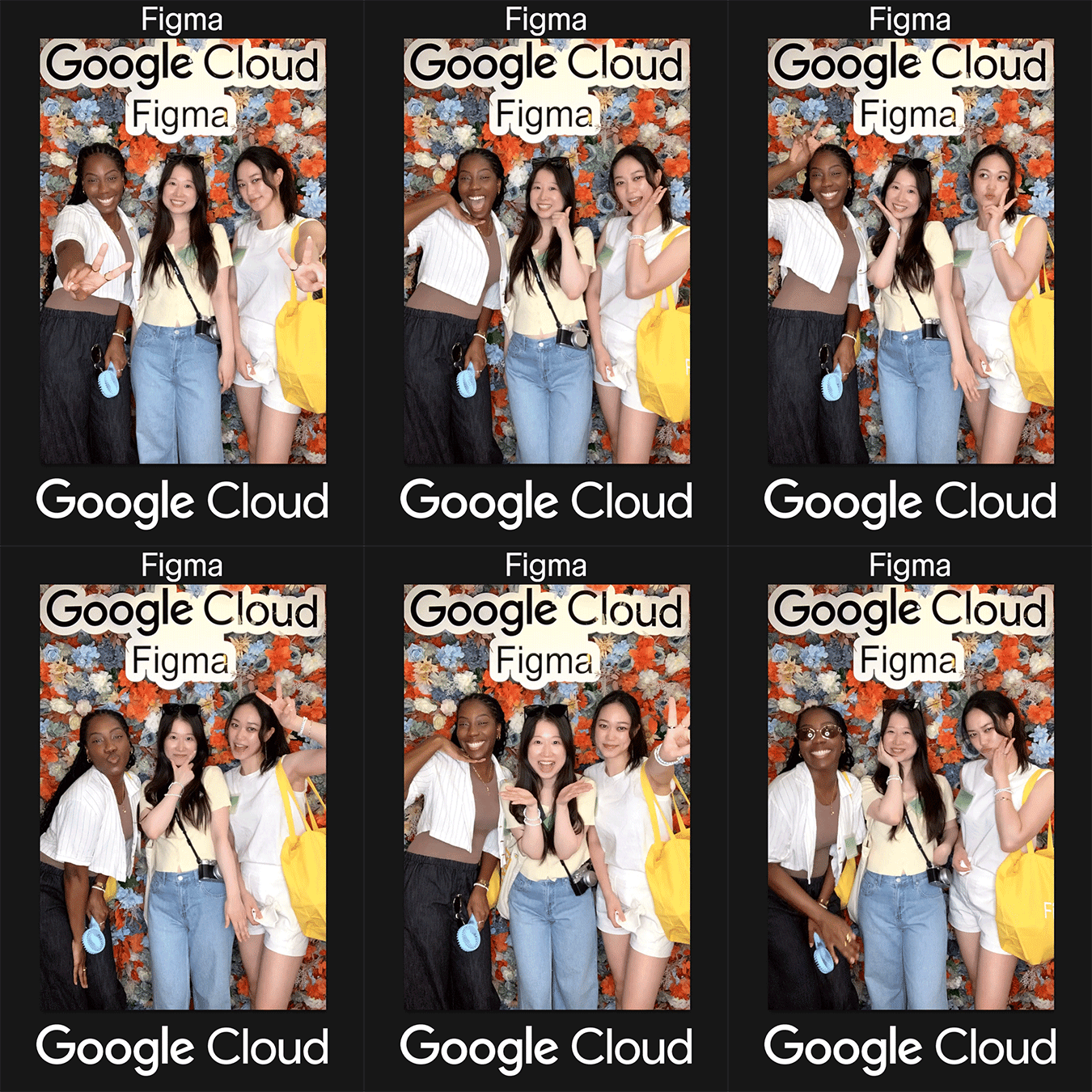
How Experiential Marketing Works at Live Events
Experiential marketing is commonly implemented through carefully designed event installations that encourage interaction, exploration, and participation. Across all of these environments, experiential marketing transforms events from passive gatherings into dynamic engagement platforms.
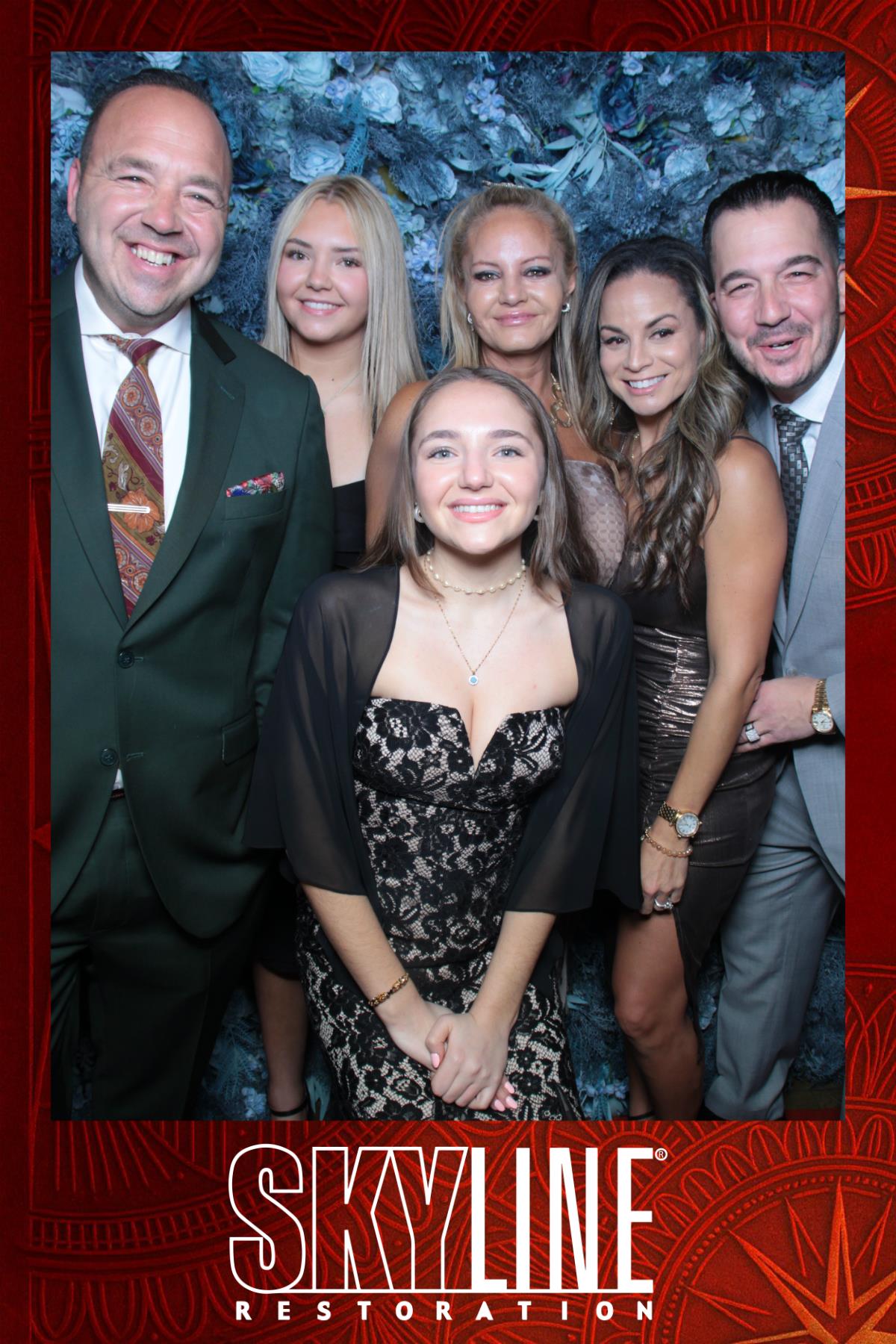
Corporate Events
Corporate conferences often incorporate experiential activations that enhance networking and break up traditional programming. Interactive environments allow attendees to step away from keynote sessions and participate in creative activities that stimulate conversation and engagement.
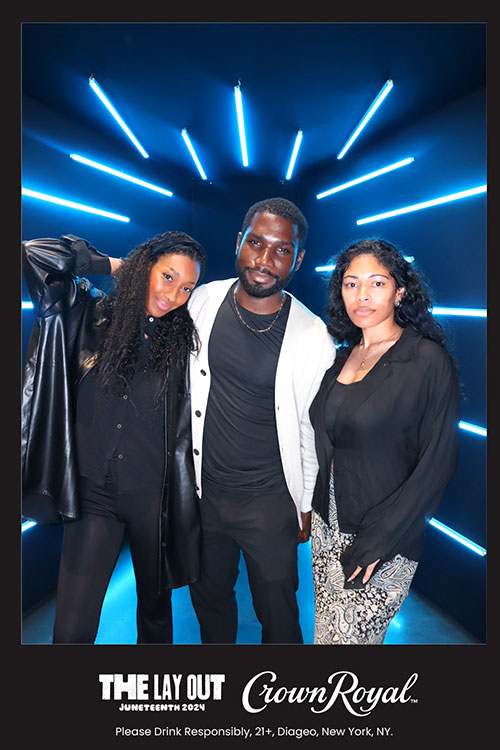
Brand Activations
Brand activations represent another major category of experiential marketing. These campaigns are often designed specifically for audience engagement, incorporating interactive displays, creative installations, and technology-driven experiences that invite participation.
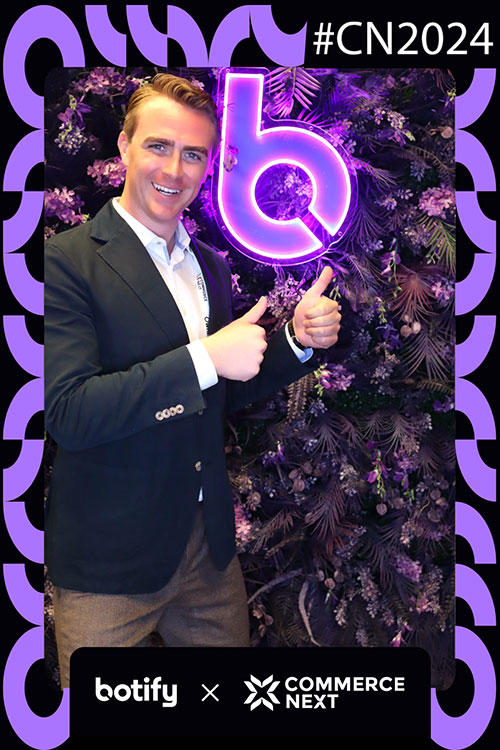
Trade Shows
Trade shows frequently use experiential installations to attract visitors to exhibition booths. Brands create immersive environments that capture attention, encourage interaction, and generate content that can be shared across digital channels.

Product Launches
Product launches rely heavily on experiential marketing to introduce new offerings in visually compelling ways. By designing interactive environments where guests can experience a product firsthand, brands create stronger emotional connections and memorable impressions.
Technology Transforming Experiential Marketing
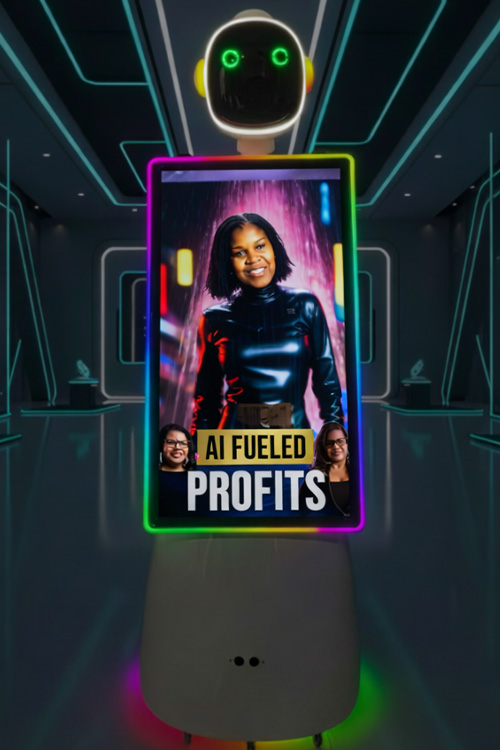
Advancements in technology have dramatically expanded what experiential marketing can achieve. Modern activations frequently incorporate interactive tools that blend physical environments with digital engagement.
Artificial intelligence has introduced new possibilities for personalized experiences at live events. AI-powered installations can generate customized visuals, interactive storytelling moments, and unique content that adapts to each participant.
High-resolution studio lighting systems and advanced camera technology have elevated photo experiences into sophisticated content-creation environments. Guests can produce editorial-quality images during events, creating branded content that circulates across social media platforms.
Roaming activation technologies allow experiences to move throughout event spaces rather than remaining fixed in one location. Mobile engagement tools bring interactive content directly to attendees, increasing participation throughout the venue.
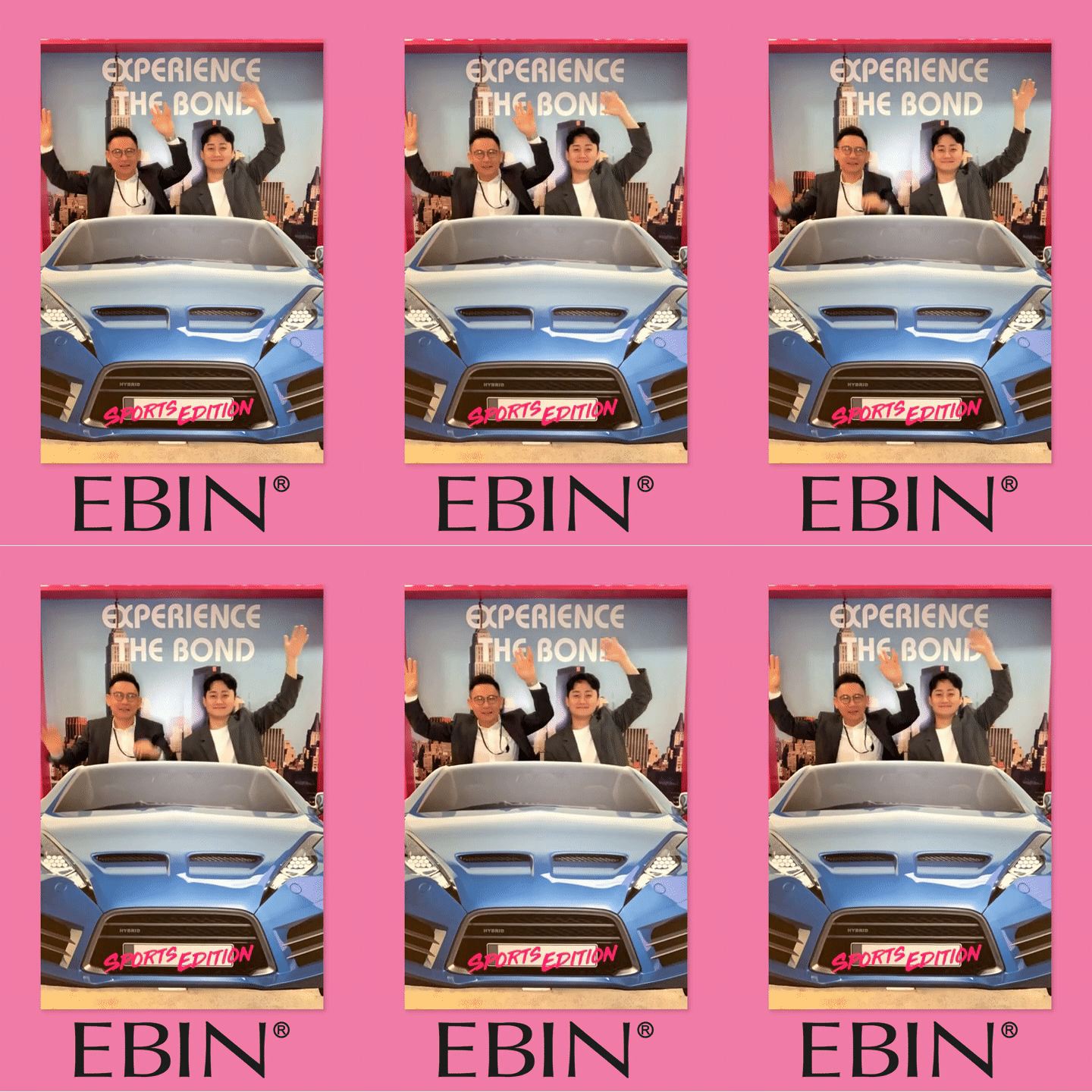
Real-time content generation has also become a major component of experiential marketing. Video booths, motion capture experiences, and automated media distribution allow guests to instantly receive and share the content they create.
These technological advancements continue to expand the creative possibilities of experiential marketing while enhancing audience engagement and participation.
Designing High-Impact Experiential Campaigns
Successful experiential marketing campaigns require thoughtful design that blends storytelling, visual aesthetics, and guest interaction.
The most effective activations begin with a clear understanding of the audience. By identifying the motivations, interests, and behaviors of event attendees, brands can design experiences that resonate with participants and encourage meaningful engagement.
Visual design also plays a crucial role in experiential environments. Immersive installations must capture attention while aligning with the brand’s identity and message. Lighting, structure, and spatial design all contribute to the atmosphere that shapes the guest experience.
Interactivity is the core element that differentiates experiential marketing from traditional event displays. Activations must invite participation through intuitive and engaging interactions that feel natural rather than forced.
Finally, successful experiential campaigns incorporate shareability. When guests can easily capture and distribute content from their experiences, the activation extends its reach beyond the event itself and becomes part of a larger digital conversation.

Experiential Installations That Drive Engagement
A wide range of installations can support experiential marketing strategies, each offering unique opportunities for interaction and storytelling.

Interactive Photo Experiences
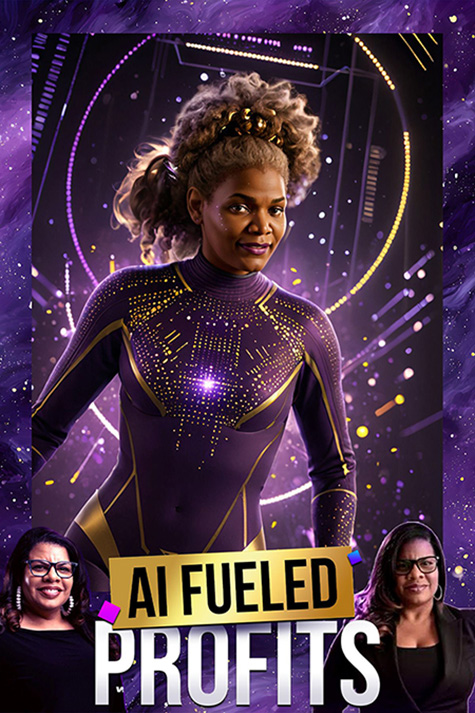
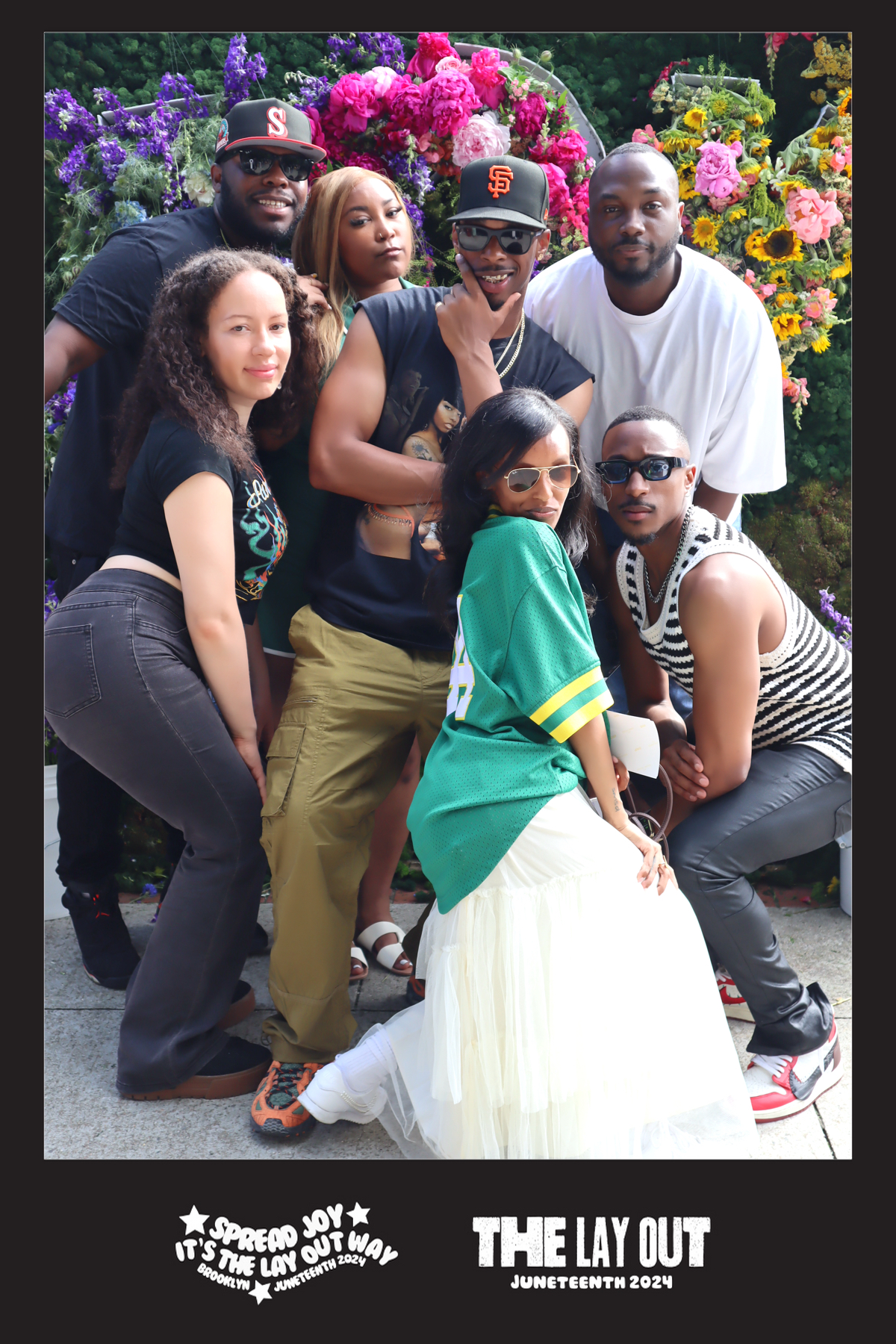
Photo activations remain one of the most effective experiential tools for generating engagement and content creation. Modern installations combine professional lighting, creative environments, and automated content delivery systems to produce high-quality visuals that attendees eagerly share.

AI-Powered Experiences
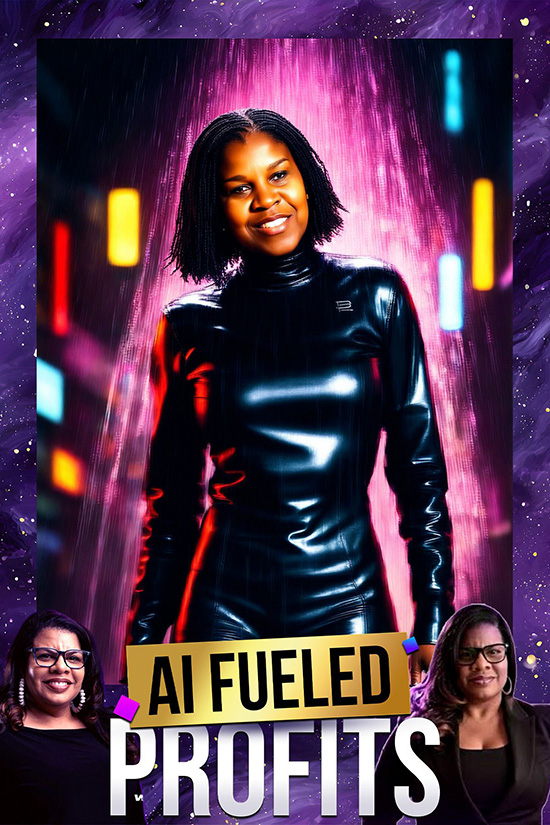
Artificial intelligence is introducing a new generation of experiential environments. AI installations can generate personalized imagery, adapt visuals in real time, and create interactive storytelling experiences that respond to participant input.
Immersive Brand Environments
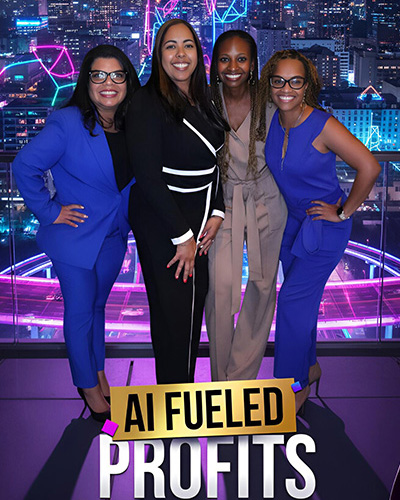
Large-scale installations transform event spaces into branded environments that immerse attendees in a narrative or theme. These environments often incorporate lighting design, custom structures, and digital displays to create visually striking experiences.
Roaming Activations
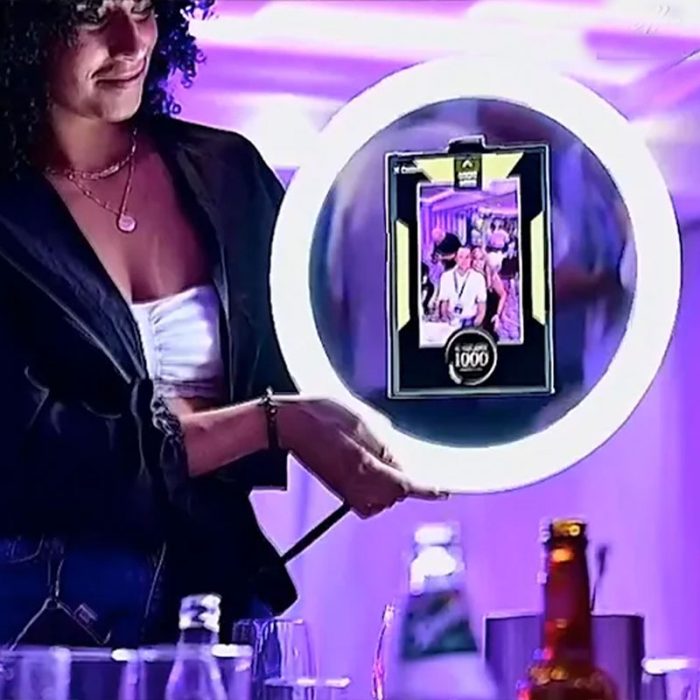
Mobile engagement experiences allow event staff to bring interactive content directly to guests throughout the venue. Roaming photo experiences and mobile media capture tools help extend engagement beyond a single installation.

Video and Motion Content Experiences
Motion-based activations allow attendees to create short videos, animated clips, or interactive content during events. These experiences generate dynamic media that performs particularly well across social platforms.

Custom Experiences
Custom experiences work in experiential marketing by allowing brands to design installations that reflect their identity, messaging, and visual aesthetic. Through personalized environments, attendees interact directly with the brand, creating memorable moments that strengthen emotional connection.
The Strategic Value of Experiential Marketing
Brands invest heavily in experiential marketing because it delivers measurable engagement outcomes that traditional marketing channels often struggle to achieve.
Interactive experiences increase dwell time, encouraging attendees to spend more time within branded environments. This extended engagement allows brands to communicate messages more effectively and create stronger impressions.
Experiential campaigns also generate significant user-generated content. When guests share their experiences online, the activation reaches audiences far beyond the event venue.
Data capture is another important advantage. Many experiential installations allow brands to collect engagement insights, participation metrics, and attendee interactions that can inform future marketing strategies.
Perhaps most importantly, experiential marketing creates emotional connections. When audiences associate positive experiences with a brand, they are more likely to remember, trust, and engage with that brand in the future.
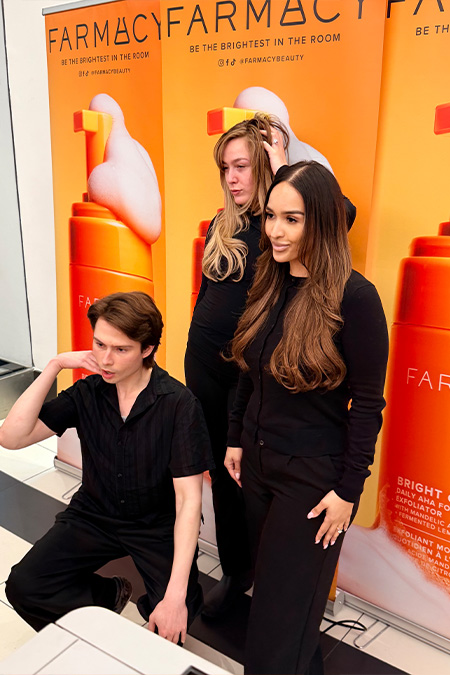
Where Experiential Marketing Is Used
Experiential marketing has become an integral component of modern event strategy across many industries. Across each of these environments, experiential marketing helps transform events into interactive storytelling platforms.

Corporate Events
Corporate conferences frequently incorporate experiential installations to enhance networking and attendee engagement.
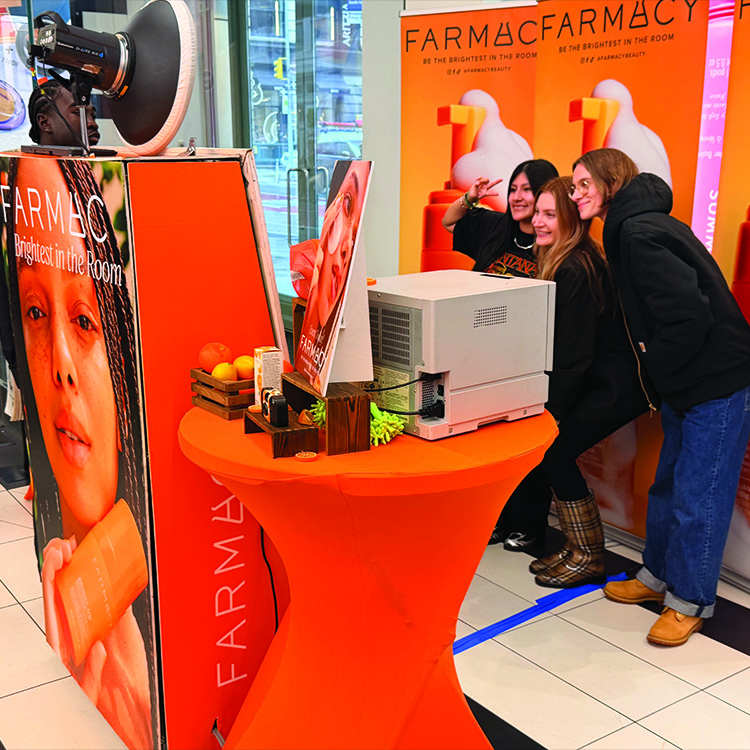
Product Launches
Product launches use immersive experiences to introduce new products in memorable and interactive ways.

Trade Shows
Trade shows rely on experiential marketing to attract visitors and differentiate exhibition booths in competitive environments.
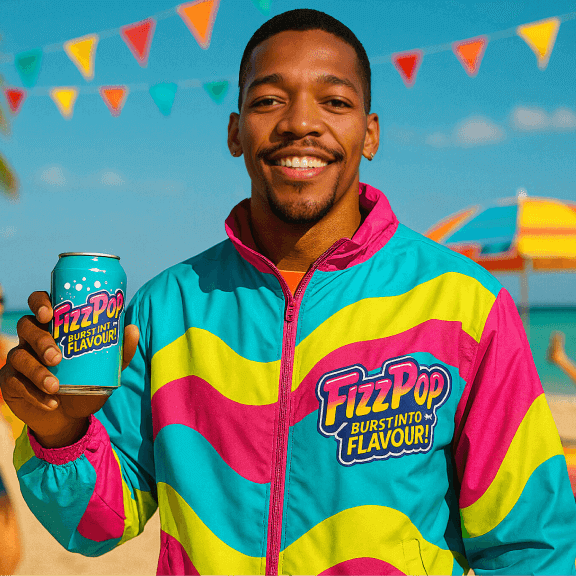
Brand Activations
Brand activations and promotional campaigns leverage experiential environments to build excitement and encourage social sharing.

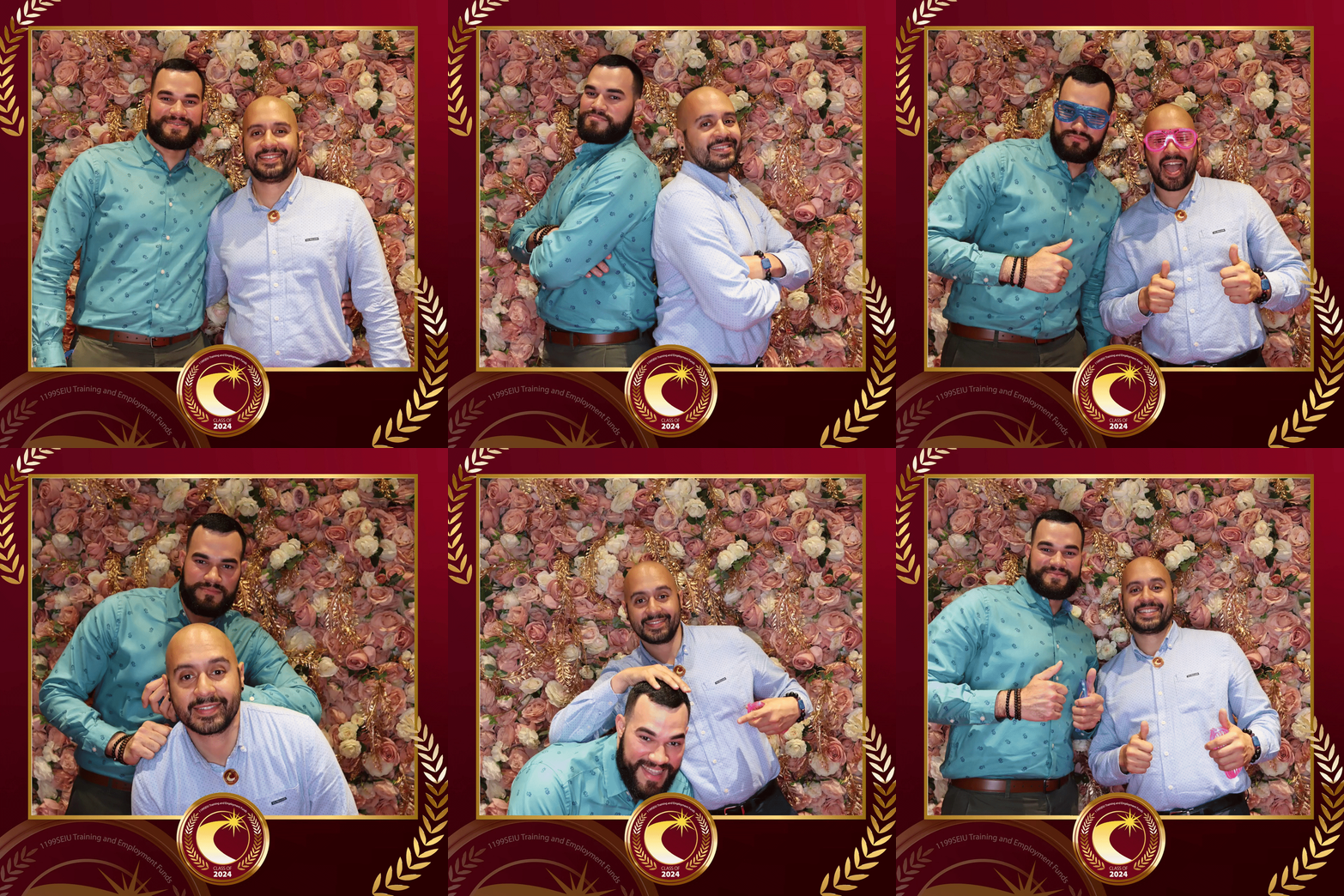
Corporate Gala
Corporate galas also incorporate experiential installations to elevate the guest experience and create visually compelling moments.
Luxury Events
Corporate conferences frequently incorporate experiential installations to enhance networking and attendee engagement.
The Future of Experiential Marketing
As technology continues to evolve, experiential marketing is expected to become even more immersive and personalized.
Artificial intelligence will play an increasingly significant role in customizing experiences for individual participants. Adaptive environments may change visuals, content, or interactions based on user input.
Automation will allow event experiences to scale more efficiently while maintaining personalized engagement. Guests may soon interact with installations that generate custom content instantly based on real-time data.
Immersive environments are also expected to expand through augmented reality, projection mapping, and interactive spatial design. These technologies will allow brands to transform entire venues into interactive storytelling environments.
As audiences continue to seek authentic engagement rather than passive advertising, experiential marketing will remain a central strategy for brands that want to connect with people in meaningful and memorable ways.

Photo Booth Rental San Francisco


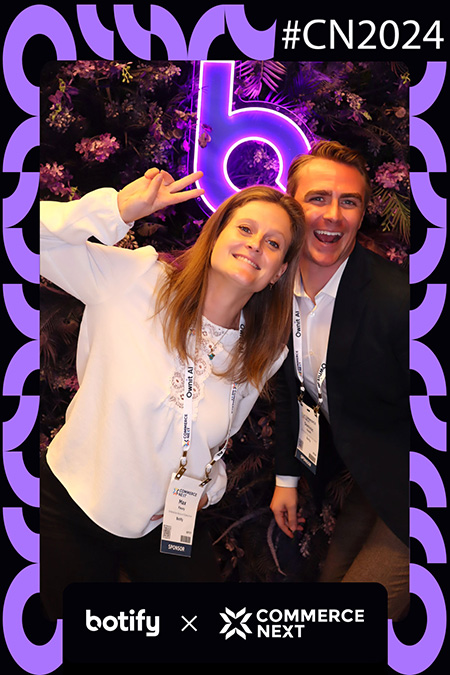


Premium Add Ons for Experimental Marketing
We provide customized event branding solutions that ensure your brand is front and center, creating a lasting impression throughout your event. From bespoke signage and luxurious flower wall rentals to branded merchandise and custom backdrops our event branding services are designed to deliver unforgettable brand experiences that engage and captivate your audience.
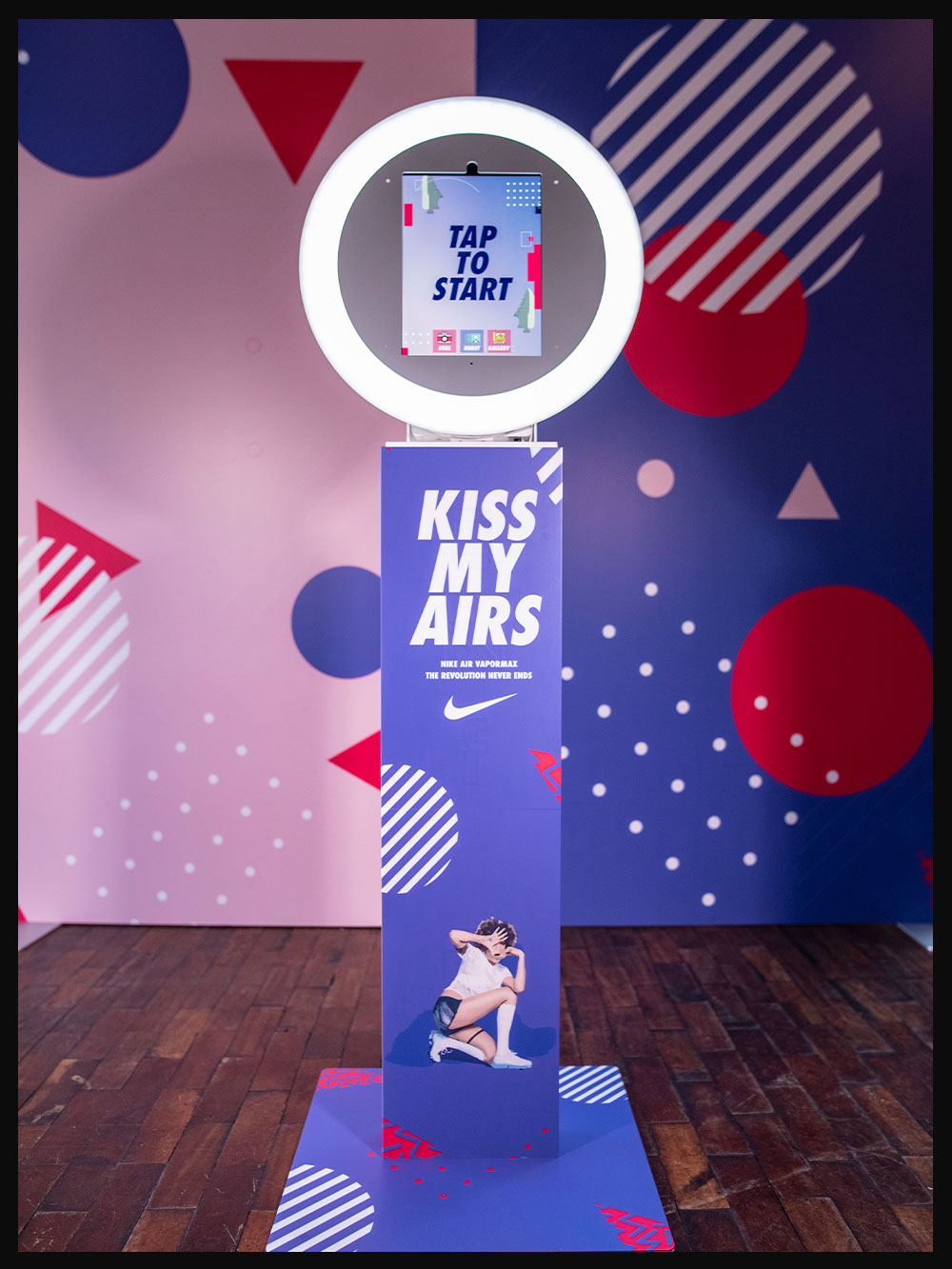
Branded Booth
A fully customized interface and user experience aligned with your brand identity.
Branded Booth San Francisco

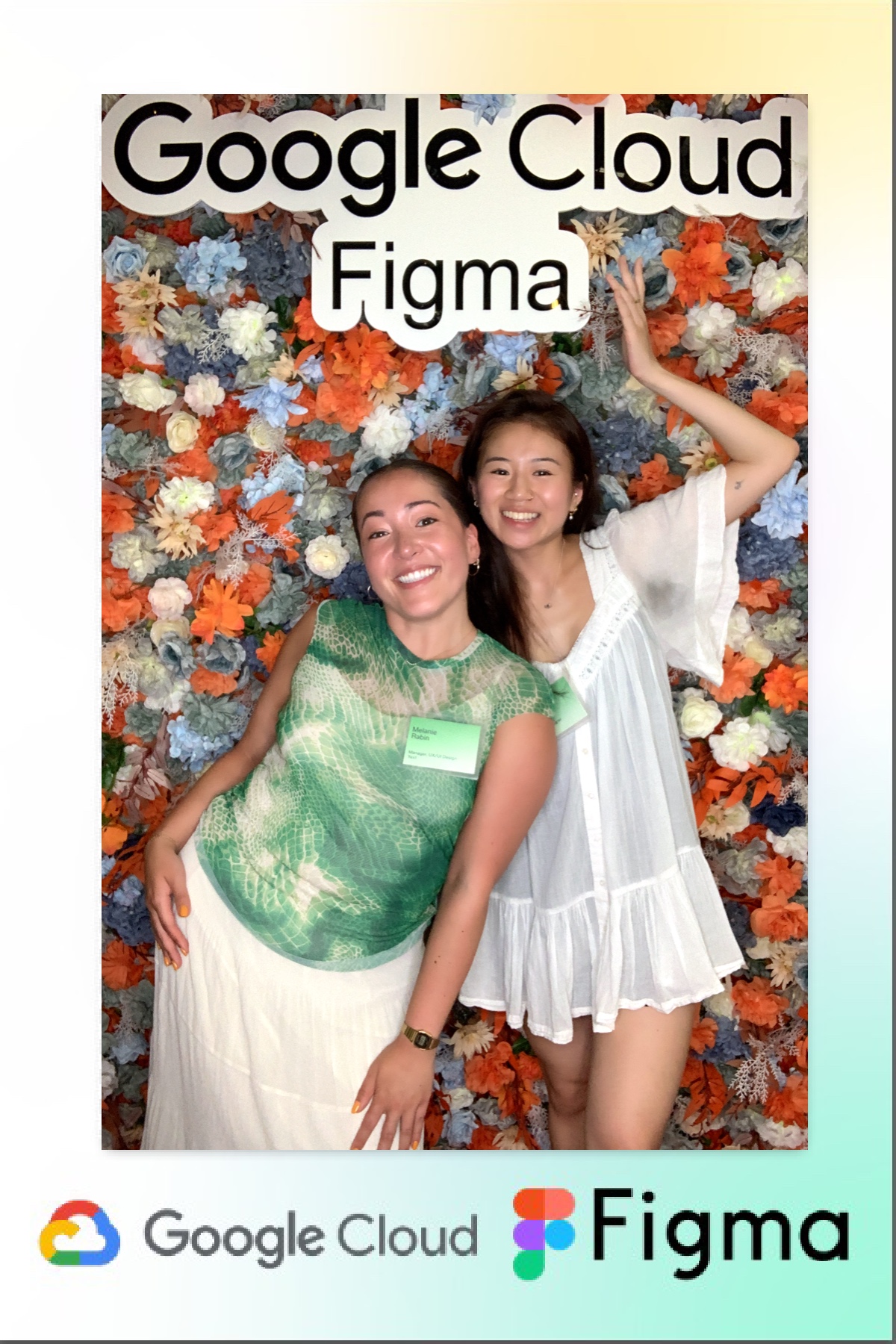
Flower Wall Rentals
Luxury floral installations that elevate photo moments and enhance event design.

Custom Signs
Professional, visually striking signage designed to enhance your event’s aesthetic.
Custom Signs San Francisco
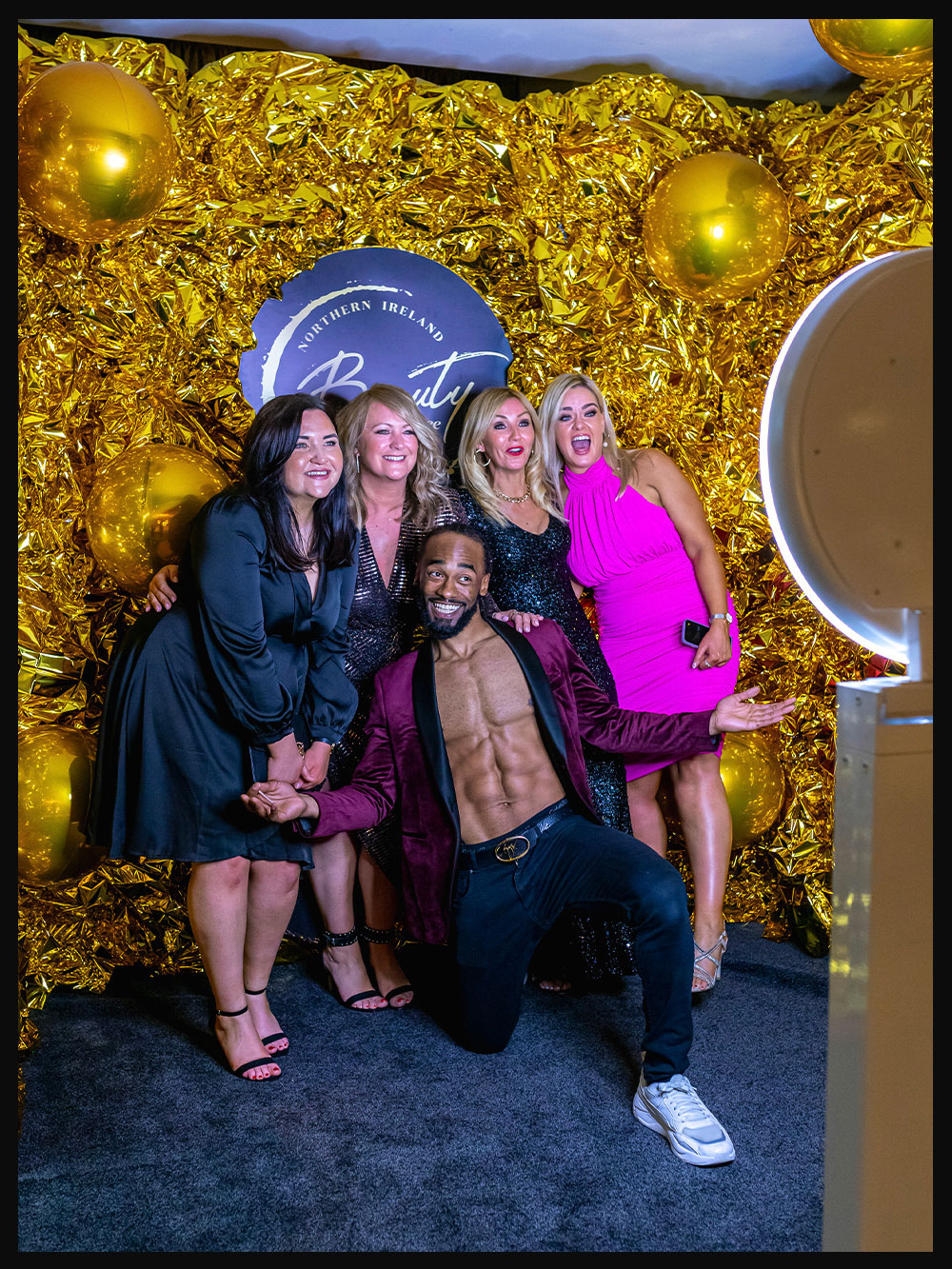
Custom Backdrops
Tailored backdrops designed to complement your brand or event theme.

Event Rentals
Premium rental items that complete your event environment with style.
Event Rentals San Francisco

Trusted Across Corporate, Entertainment & Luxury Event Markets
Premier Photo Activations is backed by a team whose experience spans major brands, agencies, and large-scale events nationwide. Through our partner companies and collaborative market activations, our team has supported events for leading organizations including Google, Meta, Amazon, Delta, The Ritz-Carlton, and other globally recognized companies. This depth of experience fuels our commitment to delivering polished, high-impact photo and video activations for clients throughout the San Francisco Bay Area, Metro Atlanta Area, New York City, and beyond.
Industries We Serve:
Technology & Innovation
Corporate Events & Conferences
Hospitality & Luxury Venues
Entertainment & Production
Lifestyle & Consumer Brands
Nonprofits & Community Organizations

Elevating Events Through Experiential Marketing
Experiential marketing has reshaped the event landscape by turning live gatherings into immersive engagement platforms where brands and audiences interact directly. Through thoughtful design, advanced technology, and compelling storytelling, experiential installations transform traditional events into memorable environments that encourage participation, creativity, and connection. As the demand for interactive experiences continues to grow, experiential marketing will remain one of the most powerful tools brands use to engage audiences and create lasting impressions.


Elevating Events Through Experiential Marketing
Experiential marketing has reshaped the event landscape by turning live gatherings into immersive engagement platforms where brands and audiences interact directly. Through thoughtful design, advanced technology, and compelling storytelling, experiential installations transform traditional events into memorable environments that encourage participation, creativity, and connection. As the demand for interactive experiences continues to grow, experiential marketing will remain one of the most powerful tools brands use to engage audiences and create lasting impressions.